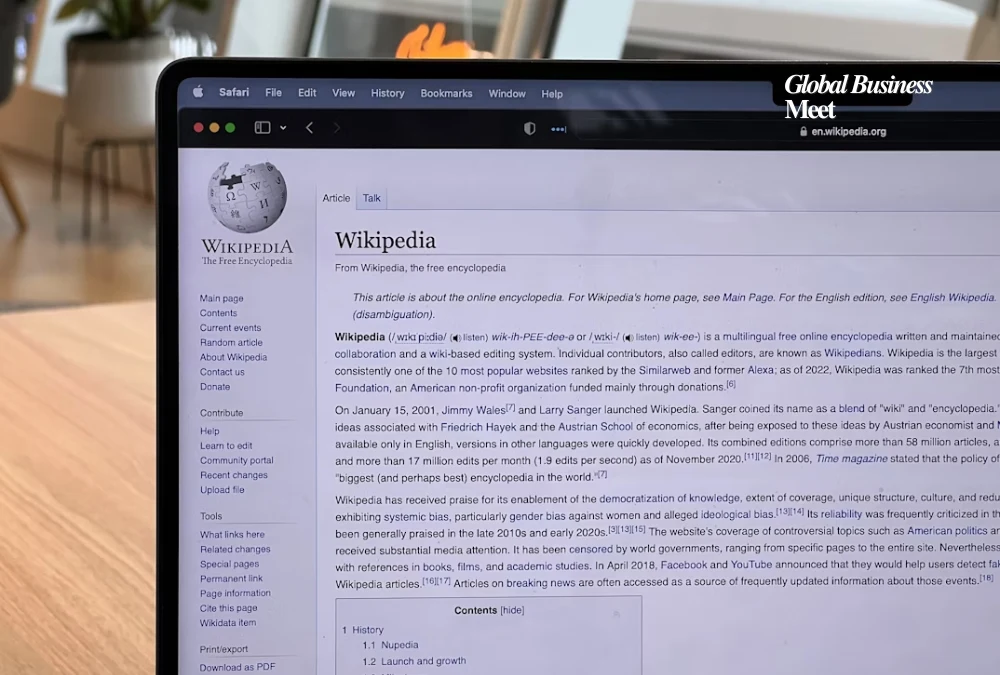
Once regarded as one of the few remaining reliable and ad-free spaces on the web, Wikipedia is now facing a downturn in readership. According to a recent blog post by the Wikimedia Foundation, human traffic to the online encyclopedia fell by 8% compared to the previous year. The foundation links this decline to the growing influence of generative artificial intelligence and the increasing dominance of social media as an information gateway.
AI and Social Media Are Changing How People Seek Knowledge
Marshall Miller, a senior leader at the Wikimedia Foundation, explained that the organization recently updated its bot detection systems to better distinguish between human and automated visits. This update revealed that a large portion of the previously recorded traffic, especially during May and June, came from bots designed to evade detection. Once these were filtered out, it became evident that genuine human visits had decreased significantly.
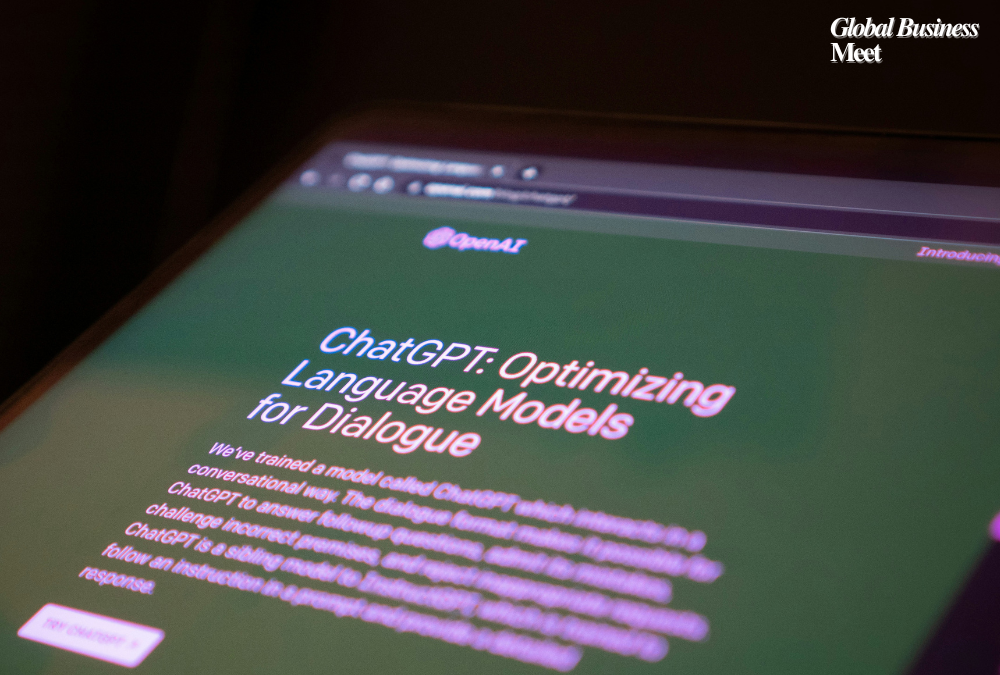
Miller pointed to two major trends driving this change. The first is the growing use of generative AI systems such as ChatGPT, Google’s AI Overviews, and Microsoft Copilot. These tools provide direct answers within search results, often summarizing information from sources like Wikipedia without requiring users to click through to the original page. This shift has reduced referral traffic that previously came from search engines.
The second factor is the changing behavior of younger audiences, who increasingly turn to video-based social platforms such as TikTok, YouTube Shorts, and Instagram Reels for quick information. These platforms keep users within their ecosystems, diverting attention away from traditional web-based sources like Wikipedia.
AI Summaries Pose a Risk to Wikipedia’s Model
While the Wikimedia Foundation recognizes that AI-generated summaries make information more accessible, it also sees risks for open, human-curated platforms. Miller noted that “search engines are increasingly using generative AI to provide answers directly to searchers rather than linking to sites like ours.”
Even though Wikipedia remains a cornerstone for many AI and search systems, most users are unaware that much of the knowledge they consume originates from the encyclopedia. This lack of awareness raises concerns about transparency, content credit, and community participation.
Miller emphasized that while the foundation supports innovation in information access, recognition and visibility must remain central. “With fewer visits to Wikipedia, fewer volunteers may grow and enrich the content, and fewer individual donors may support this work,” he explained.
Efforts to Rebuild Engagement and Attribution
Wikipedia has also experimented with artificial intelligence internally. It tested AI-generated summaries to enhance articles but paused the initiative after editors raised concerns about accuracy and editorial independence.
To counter the decline in engagement, the Wikimedia Foundation is developing new frameworks that ensure proper attribution when Wikipedia content is used in AI-generated outputs. The foundation is also encouraging search and social platforms that rely on its data to direct users back to the original site.
Internally, two dedicated teams are working to attract new readers and volunteers. The organization is also seeking community feedback on improving accessibility and maintaining transparency in an era increasingly influenced by automation.
The Role of Human-Curated Knowledge
Miller concluded his post with an appeal to internet users to value human-curated knowledge. He urged readers to “look for citations and click through to the original source material” when searching online. He also encouraged open conversations about the importance of trusted, human-created information, reminding readers that “the content underlying generative AI was created by real people who deserve their support.”
He added that the integrity of Wikipedia depends on the continued efforts of volunteers and donors who help maintain its mission to provide accurate and freely available information.
A Collaborative Future
Although Wikipedia remains one of the most trusted sources on the internet, its sustainability now depends on collaboration between open web platforms, AI developers, and social media networks. As generative AI continues to evolve, Miller argued that companies using Wikipedia’s content should help direct more visitors to the site itself.
“The Wikimedia Foundation believes that strengthening attribution, transparency, and community engagement will ensure that Wikipedia continues to deliver free and reliable knowledge to everyone, even in an age increasingly shaped by AI and social media,” Miller said.