
Pinterest CEO Bill Ready has praised open-source artificial intelligence for offering strong performance while significantly reducing operational costs, marking a major shift in how the company plans to power its visual and shopping-related AI tools.
During Tuesday’s earnings call, Ready highlighted how open-source models are allowing Pinterest to expand its AI-driven features, from personalized recommendations to multimodal search and ad targeting, without substantially increasing its expenses. Pinterest has recently launched the Pinterest Assistant, an AI-powered companion that helps users discover products, get ideas, and explore personalized content.
Pinterest’s AI Strategy Amid Market Uncertainty
Investors questioned Pinterest’s future in agentic commerce, where AI systems autonomously make shopping decisions for users. The inquiry comes at a time when the company faces economic headwinds and weaker consumer spending.
During its third-quarter earnings announcement, Pinterest projected a softer holiday shopping season, attributing it to the effects of former President Donald Trump’s tariffs, particularly on the home furnishings category. The company’s fourth-quarter revenue forecast ranged between $1.31 billion and $1.34 billion, slightly below analyst expectations of $1.34 billion. The outlook caused Pinterest’s stock to fall by over 21% on Wednesday.
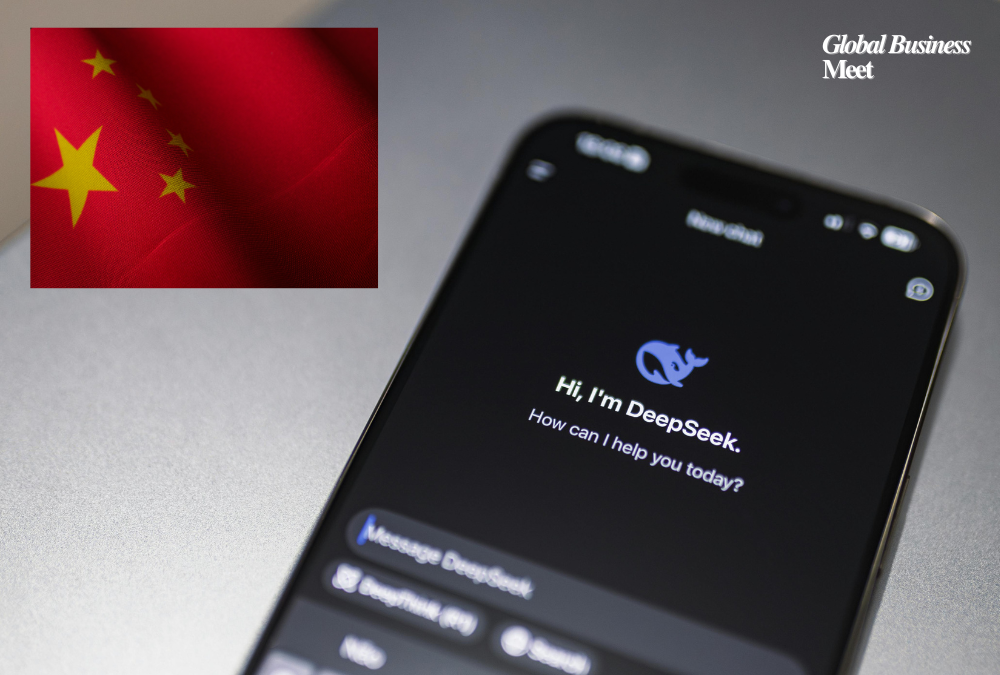
Despite these short-term challenges, Ready emphasized that the company remains focused on leveraging AI to sustain long-term growth. He shared that Pinterest routinely compares top proprietary AI models with open-source alternatives and has been impressed by the results.
Open Source AI: Cost Savings and Performance Gains
Ready explained that open-source models have performed remarkably well for Pinterest’s visual AI applications, providing results nearly on par with expensive proprietary systems but at a much lower cost.
“One of the most exciting things we’re seeing is tremendous performance from open-source models specifically for Pinterest’s visual AI use cases,” Ready said. “Given the current market rates and per-token costs, early testing shows we can achieve similar performance with fine-tuned open-source models at just a fraction of the cost of leading proprietary options.”
He noted that Pinterest plans to deploy more of these open-source models across its operations, optimizing both scalability and profitability. “We feel really good about the value we’re delivering to users, our ability to align that with monetization, and our control over costs,” he added.
AI in Shopping: User-Driven or Agentic?
While Pinterest continues exploring the potential of agentic shopping, Ready maintained that the company’s strength lies in enhancing human-guided discovery rather than fully automating it.
He explained that Pinterest already supports “push-button buying” through its partnership with Amazon but questioned whether users truly want AI to handle the purchasing decisions entirely. “We’ll see if users actually want the AI to ‘push the button’ for them,” Ready said, signaling a cautious approach toward agentic shopping experiences.
Building a More Personalized Pinterest Experience
Pinterest’s evolving AI ecosystem aims to deepen personalization through tools like Pinterest Assistant and AI-curated boards. The assistant uses a combination of conversational AI and user behavior data, such as boards, pins, and saved collections, to provide more relevant and tailored recommendations.
Additionally, Pinterest is rolling out AI-personalized boards that merge human expertise with machine intelligence, providing curated inspiration that feels both intuitive and authentic.
The Road Ahead
By embracing open-source AI, Pinterest is positioning itself to innovate while maintaining efficiency, a move that could set an example for other social commerce platforms navigating rising computational costs.
As Ready summarized, the company’s focus remains clear: “It’s about creating meaningful user experiences powered by AI, while keeping control over the costs and maintaining alignment with our monetization goals.”
Pinterest’s experiment with open-source AI could signal a broader industry trend toward more accessible, affordable, and customizable AI solutions, shaping the next phase of intelligent, user-centric digital discovery.