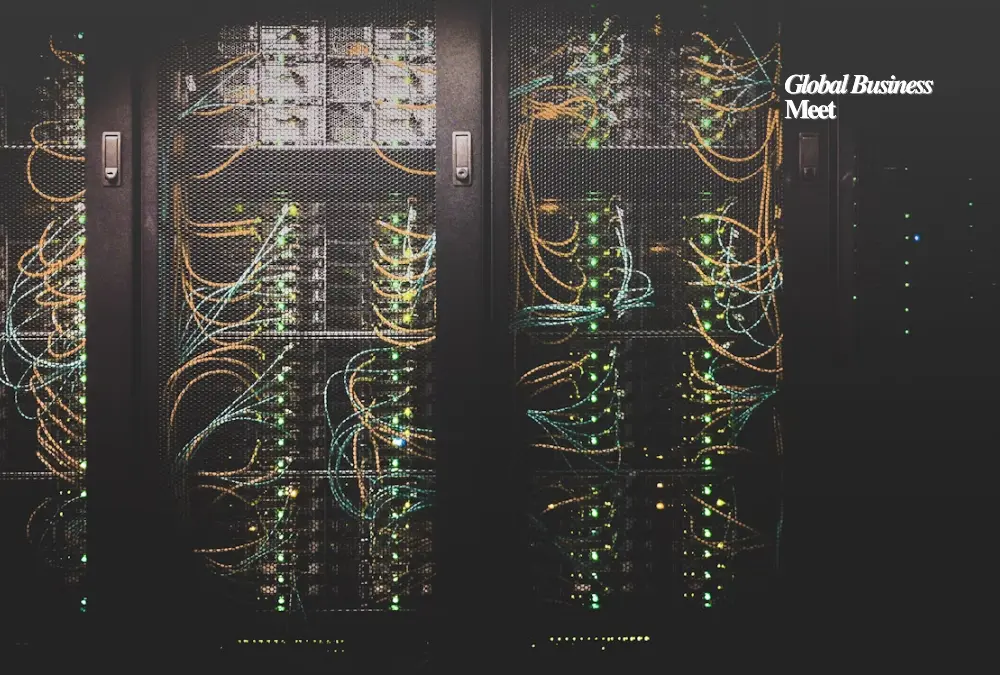
As tech companies race to build massive new data centers, consumers are increasingly concerned that the AI-driven boom could push electricity prices higher. A recent survey commissioned by solar installer Sunrun found that eight out of ten consumers worry about the impact of data centers on their utility bills.
Growing Electricity Demand
These concerns are not unfounded. According to the U.S. Energy Information Administration (EIA), electricity demand in the United States remained relatively stable for over a decade. However, over the past five years, commercial and industrial users, including data centers, have significantly increased their electricity consumption, growing 2.6% and 2.1% annually, respectively. By contrast, residential consumption has grown only 0.7% per year.
Currently, data centers account for roughly 4% of all electricity consumption in the U.S., more than double their share in 2018. Lawrence Berkeley National Laboratory projects that this could rise to between 6.7% and 12% by 2028.
Renewables Step In, Yet Challenges Remain
Electricity generation has largely kept pace with rising demand thanks to a surge in solar, wind, and grid-scale battery storage. Tech companies are increasingly signing utility-scale solar contracts to power new data centers. Solar energy is attractive due to its low cost, modularity, and speed of deployment. Solar farms can start supplying power even before a data center is fully operational, and a typical solar project takes around 18 months to complete.
The EIA expects renewables to dominate new electricity generation capacity at least through 2026. However, experts warn that potential Republican-led rollbacks of key parts of the Inflation Reduction Act could slow this growth.
Natural Gas Shortages Compound the Issue
Natural gas, another preferred energy source for data centers, has also struggled to meet domestic demand. Although production has risen, much of the new supply has been exported. Between 2019 and 2024, consumption by electricity generators rose 20%, while exports surged 140%.
Building new natural gas power plants is not a short-term solution either. The International Energy Agency estimates that new plants take around four years to come online, while a backlog of turbines has extended delivery times up to seven years, further constraining supply.
AI, Data Centers, and Consumer Sentiment
While AI and data centers are not solely responsible for rising electricity demand—industrial users have also contributed significantly—they have become the focus of public attention. AI, in particular, is increasingly a source of concern. A Pew survey found that more people are worried about AI than excited by it, partly because some employers are using the technology to cut jobs rather than augment employee productivity.
When combined with rising energy costs, these factors suggest a potential consumer backlash against AI and the companies building the infrastructure behind it.
The Outlook
As AI and data center growth continues, energy supply challenges could become a critical concern for the tech industry. Companies will need to balance consumer expectations, regulatory pressures, and sustainability goals to expand operations without triggering public or political pushback. The ongoing surge in AI-driven demand, coupled with infrastructure limitations, highlights the importance of careful planning to ensure that technological growth does not come at the expense of affordability or public trust.