Scientists Create AI That Makes Materials Discovery the Next Wave of Innovation
Two leading AI scientists — Liam Fedus, a key figure at OpenAI, and Ekin Dogus Cubuk, formerly of Google Brain — have co-founded Periodic Labs, a startup aiming to revolutionize scientific discovery through artificial intelligence. The company recently emerged from stealth with a $300 million seed round led by Felicis, joined by top venture capital firms and tech industry leaders.
A Bold Future for AI-Based Research
The idea for Periodic Labs was conceived only seven months ago when Fedus and Cubuk discussed how advances in robotics, large language models (LLMs), and machine learning simulations could finally make AI-driven experimentation a reality.
Cubuk, one of Google Brain’s foremost researchers in machine learning and material science, said multiple breakthroughs have made this possible. Today, robotic systems can manage complex powder synthesis, machine learning can effectively simulate natural materials, and LLMs now have advanced reasoning abilities, an area where Fedus’ work at OpenAI has been instrumental.
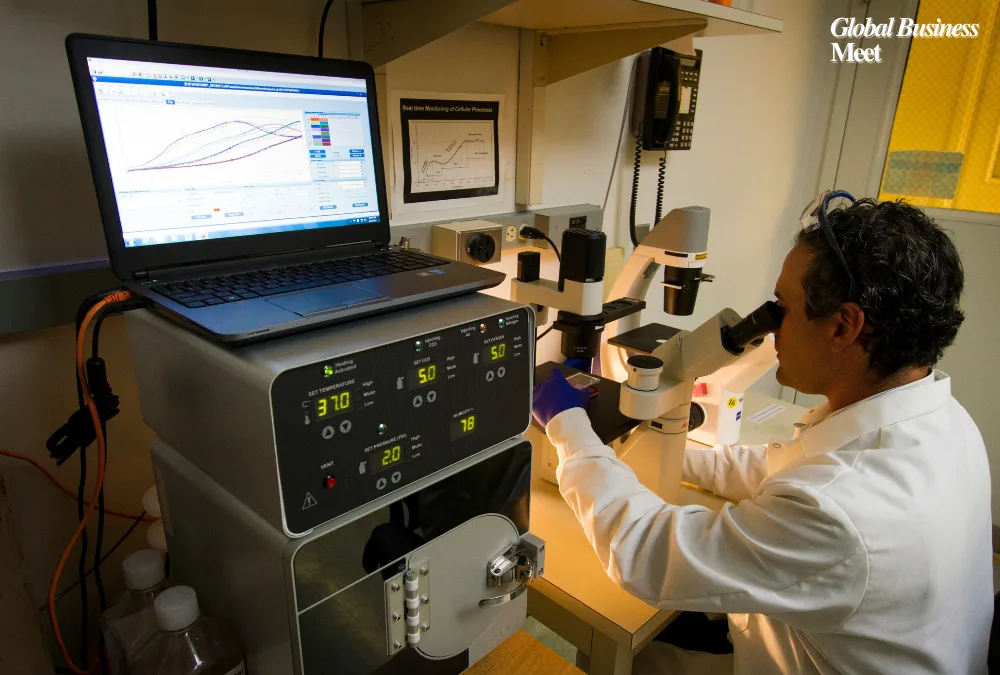
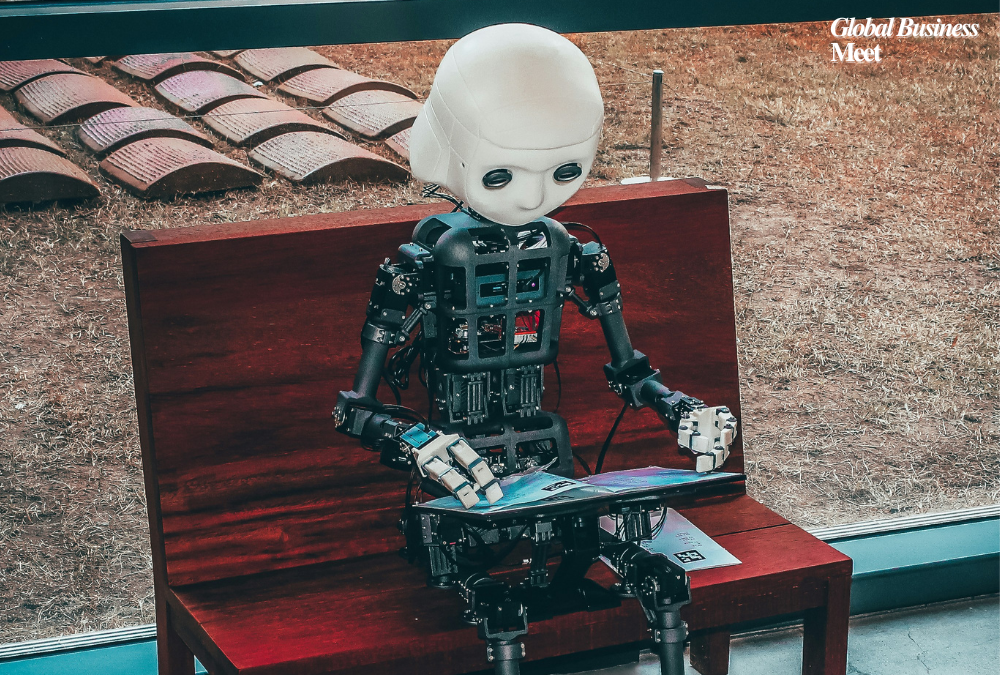
By combining these elements, Periodic Labs envisions a fully automated research pipeline where AI can predict new compounds, robots can synthesize them, and models can analyze the results — significantly accelerating the pace of discovery.
Cubuk had previously co-authored a 2023 Google research paper describing an automated lab that successfully synthesized 41 new compounds using AI-generated instructions, laying the foundation for Periodic Labs’ innovative approach.
Turning Failures into Data Gold
Unlike traditional scientific models that prioritize only successful results, Periodic Labs sees value in every experiment. Each outcome, whether success or failure, generates data that strengthens future AI models. “Integrating real experiments into the AI loop is the next frontier,” said Fedus.
OpenAI Steps Back, Felicis Steps In
After informing OpenAI of his decision to leave, Fedus moved forward with his plan for Periodic Labs. Although OpenAI chose not to invest, news of his departure triggered a VC race to back the new company. “It felt like we were being reverse-pitched,” Fedus said, revealing that one investor even sent a love letter to the founders.
The first serious conversation came from Peter Deng, a former OpenAI colleague who had recently joined Felicis as a partner. During a walk through San Francisco’s Noe Valley, Deng immediately recognized the potential and committed to invest on the spot.
At the time, Periodic Labs wasn’t even incorporated, it had no official name or bank account. But Felicis swiftly finalized the deal, resulting in one of the largest early-stage funding rounds in recent years.
Building a World-Class Research Team
With its new funding, Periodic Labs quickly assembled an elite team of experts, including Alexandre Passos (creator of OpenAI’s o1 and o3 models), Eric Toberer (renowned for his superconductor research), and Matt Horton (developer of Microsoft’s GenAI science tools).
The startup encourages cross-disciplinary learning, with each team member leading a weekly seminar to help others understand their field. “Close collaboration and cross-domain understanding are essential,” said Cubuk.
Aiming for Breakthroughs in Superconductors
Periodic Labs has already set up its own laboratory where simulations, experiments, and early predictions are underway. Its initial focus is on developing next-generation superconductors, materials that could dramatically improve energy efficiency and enable more sustainable technologies.
While the robotic systems are still being trained, Fedus and Cubuk believe AI-driven experimentation could reshape the scientific landscape. Even if immediate breakthroughs are slow, the data collected will be invaluable for future research.
A Defining Moment for AI Science
The emergence of Periodic Labs reflects a broader industry shift toward AI-assisted research. OpenAI recently announced its “AI for Science” initiative, aiming to accelerate discoveries across multiple disciplines, signaling that this fusion of AI and experimental science is here to stay.
In addition to Felicis, investors include Andreessen Horowitz, DST, NVentures (Nvidia’s venture arm), Accel, and prominent angel backers such as Jeff Bezos, Elad Gil, Eric Schmidt, and Jeff Dean.
With its strong financial foundation, top-tier talent, and ambitious mission, Periodic Labs is pushing AI beyond text and images into the realm of real-world scientific discovery.