
There is a famous episode of The Simpsons where Mr. Burns, in his quest to win a company softball game, recruits real Major League Baseball stars. When the championship is on the line, he decides to bench Darryl Strawberry, an eight-time All-Star, in favor of Homer Simpson. His reasoning? “You’re a left-hander, and so is the pitcher. If I send up a right-handed batter, it’s called playing the percentages.”
The scene is a perfect satire of baseball’s reliance on statistics, where decision-making can become so data-driven that it borders on the absurd. This tension between instinct and analytics was pushed to new limits recently when the Oakland Ballers, an independent Pioneer League team, allowed artificial intelligence to manage one of their games.
Oakland’s New Baseball Experiment
The Ballers were founded by entrepreneur Paul Freedman after the Oakland A’s left town, a move that devastated local fans who saw it as corporate greed at its worst. The Ballers stepped in as an alternative, earning support from a passionate community eager to keep baseball alive in the city. Despite being a young team, the Ballers won Oakland’s first baseball championship since 1989.
Freedman sees the Ballers as more than just a ball club. Without the pressure of Major League rules, the organization has the flexibility to innovate and test ideas. Minor league and independent teams often serve as testing grounds for new technology, like instant replay or the automated strike zone, before such innovations reach the majors. For Freedman, experimenting with AI was the next logical step.
From Fan Decisions to AI Coaching
This was not the first unconventional experiment for the Ballers. In 2023, they worked with Fan Controlled Sports to let fans make real-time managerial decisions during a game. As expected, the outcome was chaotic. Fans voted for comedic rather than strategic moves, such as sending a pitcher to bat. The Ballers lost that game, but it created buzz around the team’s willingness to experiment.
This year, once the Ballers had already secured a postseason spot, Freedman decided to partner with the AI company Distillery. The idea was to create software capable of managing a baseball game in real time.
“Baseball is perfect for this kind of experiment because it is so data-driven,” Freedman explained. “You have the time between pitches to make decisions and see them play out.”
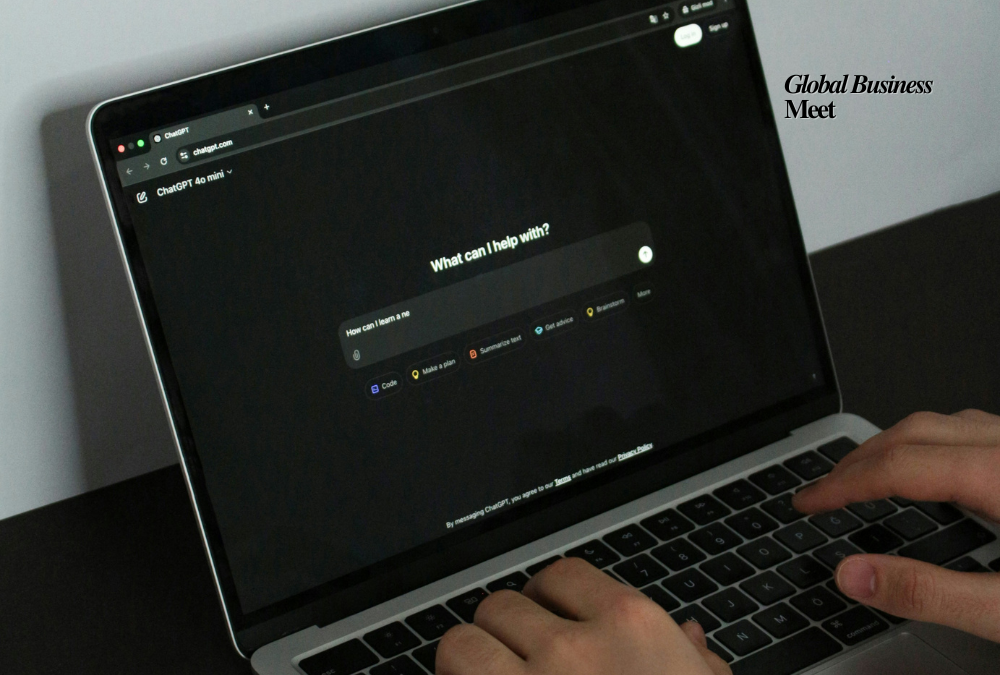
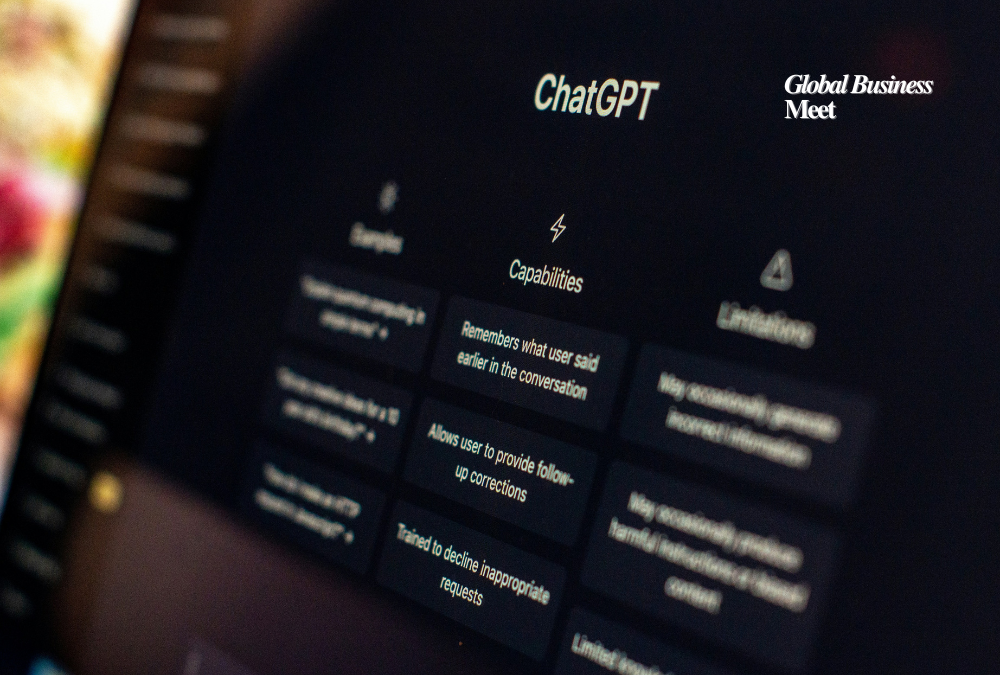
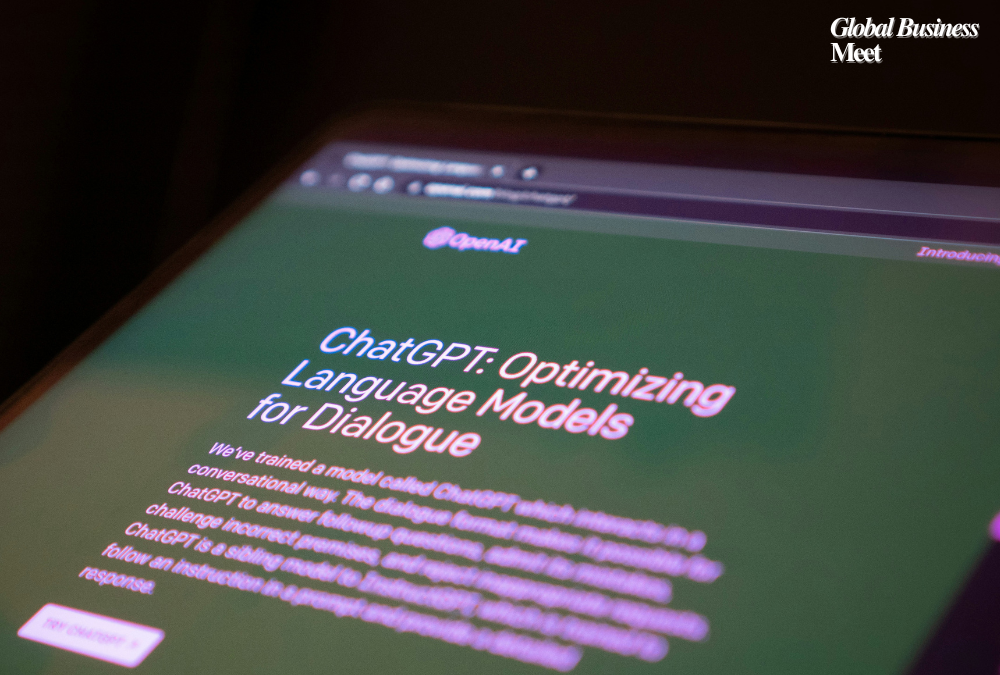
Distillery trained OpenAI’s ChatGPT on more than a century of baseball data, including Ballers-specific stats. The system was designed to mimic the thought process of Ballers manager Aaron Miles, making choices on pitching changes, lineups, and substitutions.
The Game Itself
Surprisingly, the AI’s decisions closely mirrored what Miles himself would have chosen. Throughout the game, the AI managed strategy without a hitch, and the only override came when Miles had to substitute his sick catcher with a backup.
Miles embraced the experiment with humor. In a clip posted on the Ballers’ Instagram, he approached the opposing manager for a pregame handshake but instead extended the tablet running the AI. It was a playful acknowledgment that, for one night, the machines were in charge.
Fans Push Back
Despite the smooth execution, the AI-managed game sparked controversy. Many Oakland fans, still bitter about losing three major professional teams in recent years, saw the experiment as a betrayal. In their eyes, the Ballers had built trust by positioning themselves as a community-focused alternative to corporate sports ownership. Now, leaning into AI felt like pandering to Silicon Valley rather than honoring local fans.
“There goes the Ballers trying to appeal to Bay Area techies instead of baseball fans,” one commenter wrote. “It’s so over for Oakland.”
For Freedman, the backlash was unexpected. He acknowledged that the Ballers do not plan to repeat the experiment, but he also sees value in the conversation it sparked.
“It never feels good to hear your fans say, ‘We hate this,’” he said. “But maybe it is better that people are openly debating the benefits and risks of AI now, rather than a decade later when it is too late.”
The Larger Question
The Ballers’ experiment represents a broader cultural tension. In sports, and in society more broadly, technology is advancing faster than people can process its implications. While AI may offer efficiency and precision, many fear it will erode the human element that makes activities like baseball meaningful.
In this case, the AI performed almost identically to the human manager, which suggests the technology is already capable of keeping up with professional decision-making. But as the fan backlash showed, not everyone is ready to embrace that reality. For Oakland, a city already scarred by sports franchise losses, the sight of a machine calling the shots was too much to bear.
The Oakland Ballers may have only run one AI-driven game, but the questions it raised will linger far beyond the Pioneer League. Can technology enhance sports without alienating fans, or will the soul of the game get lost in the pursuit of optimization?