
OpenAI has reached a major milestone in its partnership with Microsoft. The AI startup announced a non-binding agreement that could transform its for-profit arm into a public benefit corporation (PBC). If regulators approve the plan, OpenAI will gain more freedom to raise capital and eventually prepare for a public listing.
OpenAI and Microsoft’s New Agreement
On Thursday, OpenAI revealed that Microsoft, its largest investor, signed a memorandum of understanding (MOU) to support the transition. MOUs are not legally binding, but they signal intent between both parties.
Bret Taylor, Chairman of OpenAI’s board, explained that the nonprofit arm will remain in control of the company’s mission. He added that the nonprofit will hold a stake in the new PBC valued at over $100 billion.
Both companies emphasized that they are working on finalizing a definitive contract in the coming months.
Why OpenAI Wants This Transition
Unlike most startups, OpenAI is governed by a nonprofit board. This unusual structure has created challenges in recent years. In 2023, the board dismissed CEO Sam Altman before reinstating him days later. That episode raised questions about how the company balances its nonprofit roots with its massive commercial growth.
By creating a PBC, OpenAI could better attract investment while still keeping its mission in view. A PBC is designed to balance profit-making with a commitment to social goals. For OpenAI, that means advancing artificial intelligence in ways that benefit humanity.
Regulatory Approval Still Needed
The agreement with Microsoft is a big step forward, but it is not final. Taylor confirmed that OpenAI will continue to work with regulators in California and Delaware. Approval from state attorneys general is required before the transition can take effect.
So far, officials have not commented on the deal.
Growing Tensions with Microsoft
Reports suggest that negotiations between OpenAI and Microsoft have been tense. Microsoft wanted access to intellectual property owned by Windsurf, an AI coding startup OpenAI tried to acquire. OpenAI resisted, and the deal collapsed. Windsurf’s founders later joined Google, and its remaining staff went to another startup, Cognition.
Despite these clashes, Microsoft remains OpenAI’s closest partner. It provides cloud services for ChatGPT and gains preferred access to new AI technology. At the same time, OpenAI has worked to diversify. The company signed a $300 billion cloud contract with Oracle starting in 2027 and partnered with SoftBank on the Stargate data center project.
Challenges from Elon Musk and Other Critics
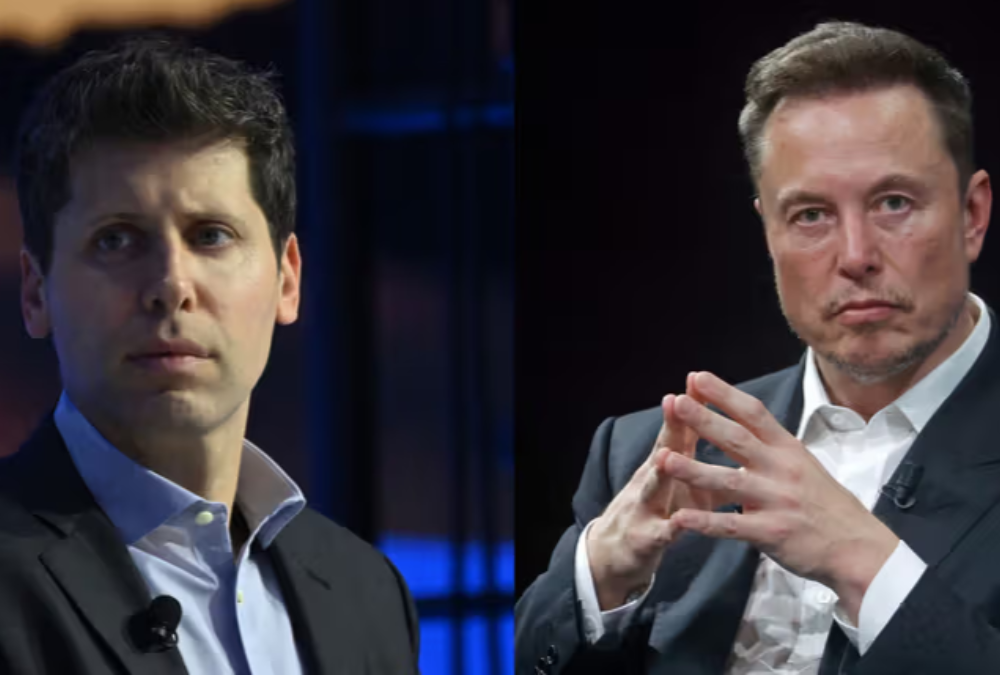
The transition to a for-profit structure has not gone unnoticed. Elon Musk, a co-founder of OpenAI, filed a lawsuit against the company, claiming it abandoned its nonprofit mission. Musk also offered $97 billion to take over OpenAI, but the board rejected the bid. Interestingly, the nonprofit’s new stake in OpenAI PBC would be even larger than what Musk proposed.
Other nonprofits, such as Encode and The Midas Project, argue that OpenAI’s shift threatens its stated goal of building AGI that serves humanity. OpenAI pushed back by claiming these groups are funded by competitors like Musk and Meta CEO Mark Zuckerberg. The groups deny those claims.
Why This Deal Matters
If OpenAI succeeds in converting its for-profit business into a PBC, it could reshape the future of AI governance. The move would give the company more flexibility to raise capital while still being guided by a nonprofit. For Microsoft, the agreement ensures it remains a central player in the AI race, even as OpenAI builds ties with other partners.
The outcome will depend on regulatory approval and the details of the final contract. But one thing is clear: OpenAI and Microsoft are preparing for a new chapter in their partnership, one that could shape the direction of artificial intelligence for years to come.