
Voice over Internet Protocol (VoIP) is a groundbreaking solution in a world that places value on agility and connectivity as a business success factor. VoIP, through the use of the internet in voice and video communication, is more efficient and cost effective, as well as innovative. VoIP is no longer an option as businesses maneuver the challenges of global markets and hybrid work force, it is a necessity. The VoIP market is projected to grow from USD 144.77 billion in 2024 to USD 326.27 billion by 2032, exhibiting a CAGR of 10.8% during the forecast period (Fortune Business Insights, 2025). Companies like Dialpad, Calilio, and RingCentral are contributing to this growth by offering innovative VoIP solutions tailored to modern business needs, enhancing accessibility and functionality for diverse industries.
This article explores why VoIP is the preferred communication technology, highlighting its unique benefits, practical applications, and emerging trends shaping its role in 2025 and beyond.
What Makes VoIP Essential?
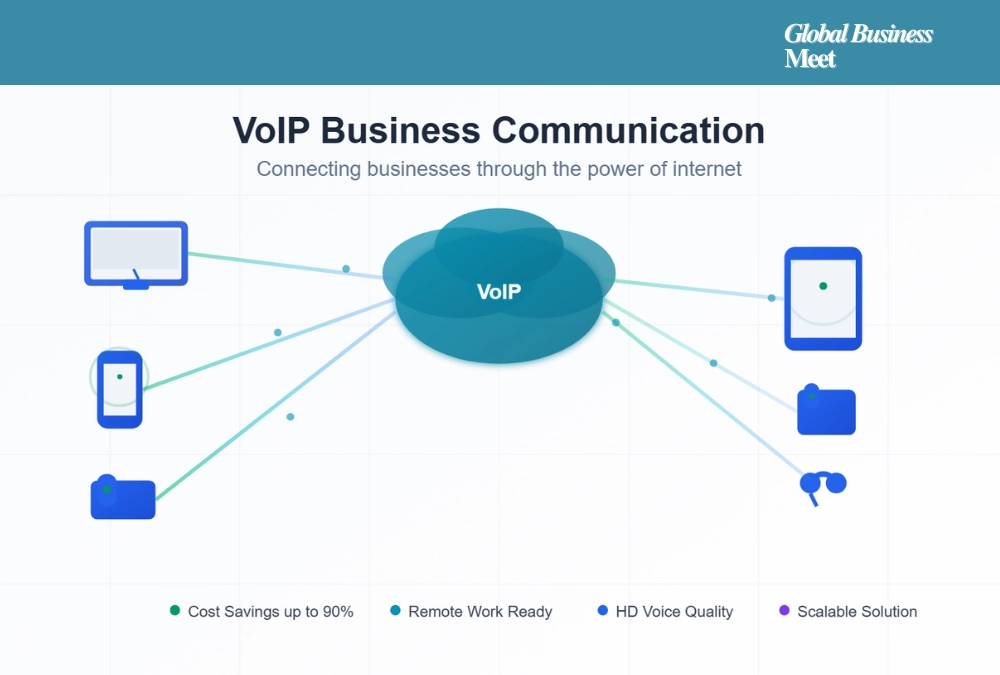
VoIP converts voice into digital data packets transmitted over the internet, enabling calls from devices like laptops, smartphones, or dedicated VoIP phones. Unlike traditional telephony, VoIP requires minimal hardware and integrates seamlessly with cloud-based platforms, making it a versatile solution for businesses of all sizes. Its ability to unify voice, video, and data into a single system is redefining how companies connect internally and with customers.
Why VoIP is the Top Choice for Businesses
VoIP offers compelling advantages that address modern business challenges. Here’s why it stands out:
1. Budget-Friendly Communication
VoIP cuts communication costs by up to 50% compared to traditional phone systems, with subscription-based models eliminating upfront hardware expenses (G2, 2025). Small businesses benefit from affordable plans that provide enterprise-level features, enabling them to compete without straining budgets.
2. Seamless Global Collaboration
With 32.6 million Americans expected to work remotely by 2025 (about 22% of the workforce), VoIP enables cost-effective international calls and virtual meetings (Designveloper, 2025). Its mobile app compatibility ensures teams stay connected, whether in the office or across the globe, fostering collaboration without geographic barriers.
3. Enhanced Customer Relationships
VoIP systems include multi-channel integration (voice, email, chat), automated call queues, and real-time sentiment analysis. These tools help businesses meet the expectations of customers who prioritize fast, personalized responses, particularly in sectors like retail and e-commerce where integrated VoIP can boost conversion rates (Nuacom, 2025).
4. Future-Proof Scalability
VoIP’s cloud-based nature allows businesses to scale effortlessly, adding users or features with minimal effort. This flexibility is critical for fast-growing startups, especially in e-commerce and retail where demand fluctuates rapidly (Market.us, 2025).
5. Eco-Friendly Operations
By reducing the need for physical infrastructure, VoIP lowers energy consumption and supports sustainability goals. VoIP technology is inherently green, minimizing hardware use and enabling remote work that cuts down on commuting-related emissions (VoiceNext, 2025).
VoIP in Action: Transforming Business Functions
VoIP’s versatility enhances a wide range of operations:
- E-commerce: VoIP’s omnichannel features integrate with platforms like Shopify, providing real-time customer support that drives sales and improves loyalty in the growing e-commerce sector (Nuacom, 2025).
- Healthcare: Secure VoIP systems with HIPAA-compliant encryption ensure safe patient communication, supporting telemedicine and remote consultations amid rising demand (Market.us, 2025).
- Freelance Networks: VoIP enables freelancers to join global teams, with virtual numbers ensuring professional communication standards for distributed workforces (Designveloper, 2025).
- Retail: In-store and online teams use VoIP for instant coordination, enhancing order fulfillment and customer service in a competitive market (Nuacom, 2025).
VoIP: Future Trends to Watch
VoIP is evolving with cutting-edge technologies. WebRTC (Web Real-Time Communication) enables browser-based VoIP without additional software, allowing seamless voice and video calls directly through web browsers, with adoption expected to grow significantly by 2025 (iFaxApp, 2025). AI-driven features like voice biometrics and predictive call routing enhance security and efficiency, with nearly 95% of customer interactions projected to be powered by generative AI by 2025 (Global Call Forwarding, 2025). The integration of VoIP with Internet of Things (IoT) devices is also gaining traction, enabling smart offices to streamline communication through connected systems.
Getting Started with VoIP
To adopt VoIP effectively, businesses should:
- Evaluate Communication Needs: Identify key features like video conferencing, mobile access, or AI analytics based on team size and goals.
- Select a Reliable Provider: Options like Vonage, 8×8, Dialpad, Calilio, or RingCentral offer tailored solutions for various industries (Tech.co, 2025).
- Ensure Network Readiness: A stable internet connection with at least 100 Kbps per call ensures high-quality performance (Nextiva, 2025).
- Onboard Teams: Provide training to maximize adoption and leverage advanced features for productivity.
Conclusion
VoIP is redefining business communication with its affordability, flexibility, and innovative features tailored to today’s dynamic work environment. From enabling global collaboration to supporting sustainable practices, VoIP empowers businesses to stay agile and customer-focused. With providers like RingCentral, Dialpad, Calilio, and Vonage driving innovation in the sector, VoIP’s capabilities continue to expand, offering robust solutions for modern challenges. As technologies like AI and WebRTC enhance its functionality, VoIP is set to lead the future of communication. For businesses aiming to thrive in 2025, adopting VoIP is a strategic step toward efficiency and innovation.