

When Harjot Gill noticed how quickly engineers were embracing AI tools like GitHub Copilot, he realized something else was bound to follow. If AI could generate large amounts of code, someone would have to carefully check that code for errors. That insight became the foundation for his newest company, CodeRabbit.
Gill was not new to the startup world. He had already co-founded Netsil, which was acquired by Nutanix in 2018, and later FluxNinja, an observability startup. But while running FluxNinja, he saw a problem unfold inside his own team. Remote engineers were using Copilot to generate code faster than ever, but the results were often riddled with bugs. Fixing those bugs and reviewing AI-generated code became a major bottleneck.
“In early 2023, it became very clear to me that code review was going to get harder, not easier, as AI coding assistants spread,” Gill told TechCrunch. That realization pushed him to launch CodeRabbit, and along the way, he also acquired FluxNinja.
Growing demand for AI code review
Gill’s timing turned out to be right. Developers around the world are now relying on AI coding assistants to boost productivity, but the tools often generate code that requires extra attention. CodeRabbit steps in as an intelligent reviewer. By analyzing a company’s entire codebase, it can detect bugs, highlight issues, and provide suggestions almost like a human coworker would.
According to Gill, businesses using CodeRabbit have been able to cut the number of engineers needed for code review by half. That efficiency is especially attractive to companies managing large teams and complex projects.
The results are showing up in CodeRabbit’s business growth. The startup has been expanding at a rate of 20 percent each month and already brings in more than $15 million in annual recurring revenue. Over 8,000 businesses are paying customers, including well-known names like Chegg, Groupon, and Mercury. Many of these clients are eager to save time on one of the most frustrating but essential parts of software development: reviewing and fixing code.
Investors take notice
This kind of momentum has not gone unnoticed by venture capitalists. On Tuesday, CodeRabbit announced it had raised $60 million in a Series B funding round. The investment values the two-year-old company at $550 million and brings its total funding to $88 million.
The round was led by Scale Venture Partners, with participation from NVentures, Nvidia’s venture arm, and existing backers such as CRV. For investors, the pitch is simple: as AI-generated code becomes more common, the demand for tools that can clean up and validate that code will only increase.
A crowded but promising field
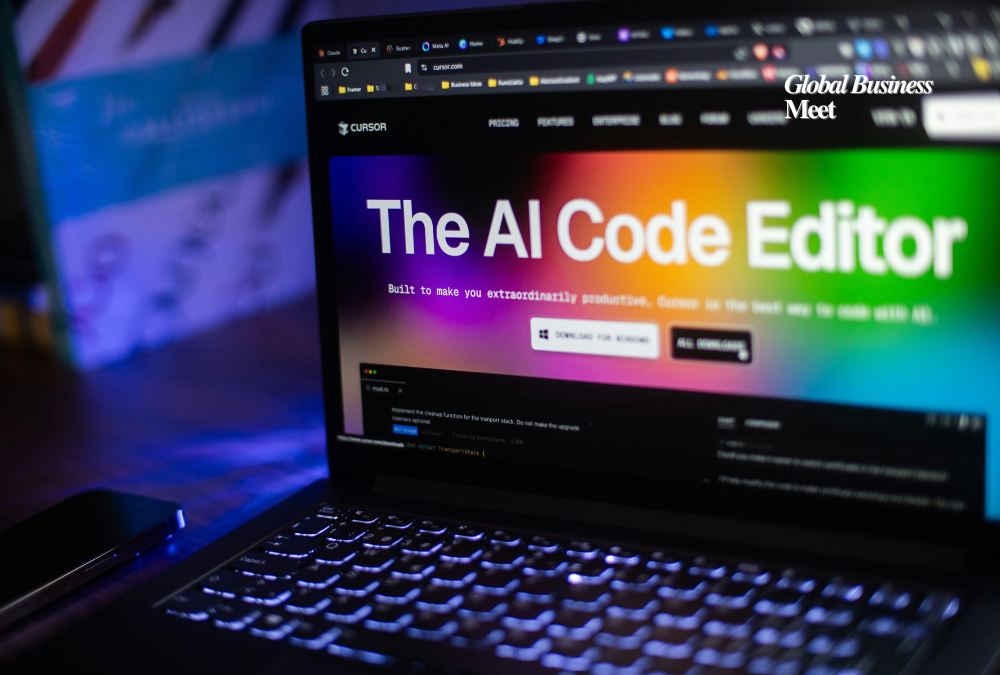
CodeRabbit is far from the only startup in the AI code review market. Rivals include Graphite, which raised $52 million earlier this year in a round led by Accel, and Greptile, which is reportedly negotiating a $30 million Series A with Benchmark. On top of that, popular AI assistants such as Anthropic’s Claude Code and Cursor already include code review features as part of their broader offerings.
Gill, however, believes CodeRabbit has an advantage by focusing solely on review. “CodeRabbit is a lot more comprehensive in terms of depth and technical breadth than bundled solutions,” he explained. The company’s bet is that developers and enterprises will prefer a dedicated tool designed specifically for this task rather than a general-purpose coding assistant.
The bigger picture in AI coding
The rise of CodeRabbit highlights a new challenge in the software industry. AI can speed up development, but it can also introduce risk when the generated code is buggy or outright unusable. As a result, new roles are even emerging inside companies, sometimes humorously described as “vibe code cleanup specialists.” These engineers specialize in fixing the mess that AI tools leave behind.
For now, thousands of developers are willing to pay CodeRabbit $30 a month to ease that pain. Whether it becomes the long-term leader in this market will depend on how well it continues to adapt and how the competitive landscape unfolds.
What is clear is that AI is changing the way software is written, and CodeRabbit is capitalizing on one of the biggest side effects: the need for smarter, faster, and more reliable code review.






















































































This article highlights the growing importance of AI in software development, specifically in code review. Its fascinating to see how companies like CodeRabbit are leveraging AI to improve efficiency and address the challenges of AI-generated code. The competition in this space is intense, but its encouraging to see innovation driving solutions for developers.
This article effectively highlights the growing importance of AI in software development, particularly in code review. CodeRabbits success story is compelling and underscores the markets need for specialized AI tools to manage the increasing complexity of coding.